
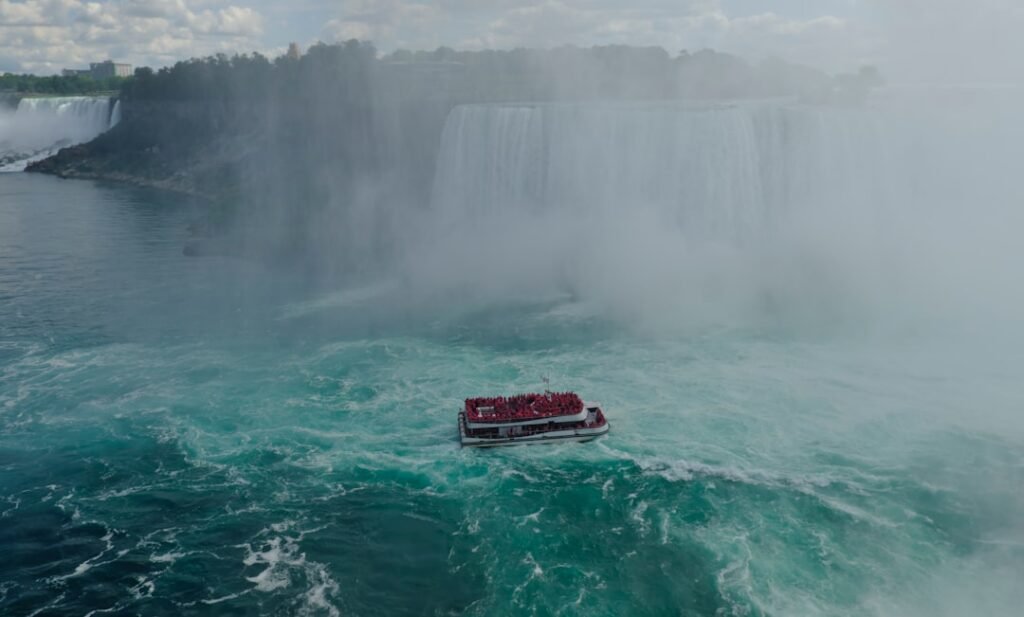

Solo travel in North America offers a unique opportunity for self-discovery and personal growth. One of the most significant benefits is the freedom to create your own itinerary without having to accommodate the preferences of others. This autonomy allows travelers to explore destinations at their own pace, whether that means spending an entire day in a museum or taking a spontaneous detour to a hidden gem.
The ability to make decisions on the fly fosters a sense of empowerment and independence, which can be incredibly liberating. For instance, a solo traveler might find themselves drawn to the vibrant street art scene in Wynwood, Miami, and decide to spend hours wandering through the colorful murals, something they might not have done if traveling with a group. Moreover, solo travel can lead to deeper connections with locals and fellow travelers.
When you’re on your own, you may be more inclined to strike up conversations with strangers, whether it’s at a café in New Orleans or a hiking trail in the Rocky Mountains. These interactions can enrich your travel experience, providing insights into local culture and customs that you might miss when traveling with others. For example, a solo traveler in Quebec City might engage with a local artist at a gallery, gaining a unique perspective on the city’s history and art scene.
Such encounters not only enhance your understanding of the places you visit but also create lasting memories that are often more profound than those made in larger groups.
Key Takeaways
- Solo travel in North America allows for personal growth, self-discovery, and independence.
- Safety tips for solo travelers in North America include staying aware of surroundings, avoiding risky areas, and keeping important documents secure.
- Top destinations for solo travel in North America include New York City, San Francisco, and Vancouver for their diverse attractions and solo-friendly activities.
- Budget-friendly tips for solo travel in North America include staying in hostels, using public transportation, and taking advantage of free attractions and events.
- Packing essentials for solo travel in North America should include a versatile wardrobe, comfortable walking shoes, a portable charger, and a reusable water bottle.
Safety Tips for Solo Travelers in North America
Safety is a paramount concern for anyone traveling alone, and North America is no exception. One of the most effective strategies for ensuring personal safety is to stay aware of your surroundings. This means being mindful of your environment, especially in crowded areas or unfamiliar neighborhoods.
For instance, when exploring urban centers like New York City or Los Angeles, it’s wise to keep your belongings secure and avoid displaying valuables such as expensive cameras or jewelry. Additionally, using well-lit streets and avoiding isolated areas after dark can significantly reduce risks. Another crucial aspect of safety is having a plan for emergencies.
Before embarking on your journey, familiarize yourself with local emergency numbers and the locations of nearby hospitals or police stations. It’s also advisable to share your travel itinerary with someone you trust back home. This way, they can check in on you periodically and know where you are in case of an emergency.
Furthermore, consider downloading safety apps that provide real-time information about your location and can alert authorities if needed. For example, apps like bSafe or Life360 can help you stay connected with friends and family while providing peace of mind during your travels.
Top Destinations for Solo Travel in North America
North America boasts a plethora of destinations that are particularly well-suited for solo travelers. One standout location is Vancouver, Canada, known for its stunning natural beauty and vibrant urban culture. The city offers an array of outdoor activities, from hiking in Stanley Park to kayaking in False Creek.
Additionally, Vancouver’s diverse neighborhoods, such as Gastown and Granville Island, provide ample opportunities for solo exploration, with plenty of cafes and shops where travelers can relax and soak in the local atmosphere. Another excellent destination for solo travelers is Austin, Texas. Renowned for its live music scene and eclectic food culture, Austin invites visitors to immerse themselves in its unique vibe.
Solo travelers can enjoy the famous South Congress Avenue, where they can browse quirky boutiques and savor delicious food truck offerings. The city’s numerous festivals, such as South by Southwest (SXSW) or Austin City Limits Music Festival, create an inviting environment for meeting fellow travelers and locals alike. The friendly nature of Austinites makes it easy to strike up conversations and forge connections during your stay.
Budget-Friendly Tips for Solo Travel in North America
| Tip | Description |
|---|---|
| Hostels | Consider staying in hostels to save on accommodation costs. |
| Public Transportation | Use public transportation instead of taxis or rental cars to save on travel expenses. |
| Local Eateries | Opt for local eateries and street food to save on dining expenses. |
| Free Attractions | Explore free attractions and activities in the area to save on entertainment costs. |
| Travel Off-Peak | Consider traveling during off-peak seasons to save on transportation and accommodation costs. |
Traveling solo doesn’t have to break the bank; there are numerous budget-friendly strategies that can make your journey more affordable. One effective approach is to take advantage of hostels or budget accommodations that cater specifically to solo travelers. Many hostels offer dormitory-style rooms at a fraction of the cost of hotels while providing opportunities to meet other travelers.
For instance, HI Hostels across Canada provide not only affordable lodging but also organized activities that encourage social interaction among guests. Additionally, utilizing public transportation can significantly reduce travel costs while allowing you to experience cities like a local. In cities such as Chicago or Toronto, public transit systems are efficient and affordable, making it easy to navigate without the expense of taxis or rental cars.
Consider purchasing day passes or multi-day transit cards that offer unlimited travel within a specified timeframe. This not only saves money but also encourages exploration beyond typical tourist areas, leading to unexpected discoveries.
Packing Essentials for Solo Travel in North America
When preparing for solo travel in North America, packing wisely is essential to ensure a smooth experience. A versatile backpack is often the best choice for solo travelers; it allows for easy mobility while providing ample space for essentials. Inside your backpack, consider packing lightweight clothing that can be layered for varying weather conditions across different regions.
For example, a breathable rain jacket is invaluable when visiting places like Seattle, where rain is common. In addition to clothing, it’s crucial to pack essential travel documents securely. A travel wallet that holds your passport, identification, and any necessary tickets can help keep everything organized and easily accessible.
Moreover, including a portable charger for your devices ensures that you stay connected throughout your journey. This is particularly important for solo travelers who may rely on their smartphones for navigation or communication with friends and family back home.
Cultural Etiquette for Solo Travelers in North America
Understanding cultural etiquette is vital for solo travelers looking to navigate social interactions smoothly in North America. While the continent is known for its diversity, certain norms are generally observed across various regions. For instance, politeness is highly valued; saying “please” and “thank you” goes a long way in establishing rapport with locals.
In cities like New York or San Francisco, where people may seem rushed or preoccupied, a friendly smile and greeting can break the ice and lead to more meaningful exchanges. In addition to basic politeness, being aware of regional customs can enhance your travel experience. In the southern United States, for example, hospitality is deeply ingrained in the culture; engaging in small talk with locals is common and often welcomed.
Conversely, in more urban areas like Toronto or Montreal, people may appreciate a more reserved approach initially but will warm up once they sense genuine interest in their culture or experiences. Understanding these nuances can help solo travelers navigate social situations more effectively and foster connections with those they meet along the way.
Transportation Options for Solo Travel in North America
Navigating transportation options is crucial for solo travelers looking to explore North America efficiently. Depending on your destination and preferences, various modes of transport are available to suit different needs. For intercity travel, buses such as Greyhound or Megabus offer affordable options that connect major cities across the continent.
These services often provide amenities like Wi-Fi and power outlets, making long journeys more comfortable. For those who prefer flexibility during their travels, renting a car can be an excellent choice. Many cities have rental agencies that cater specifically to travelers; however, it’s essential to familiarize yourself with local driving laws and parking regulations before hitting the road.
In addition to traditional car rentals, rideshare services like Uber or Lyft are widely available in urban areas and can be convenient for solo travelers who may not want to navigate public transportation late at night or in unfamiliar neighborhoods.
Connecting with Other Solo Travelers in North America
One of the most rewarding aspects of solo travel is the opportunity to connect with other like-minded individuals on similar journeys. Various platforms facilitate these connections; social media groups dedicated to solo travel often provide valuable resources and networking opportunities. Websites like Meetup.com allow travelers to find local events or gatherings tailored specifically for those traveling alone.
Additionally, many hostels and budget accommodations organize group activities or tours that encourage interaction among guests. Participating in these events not only enhances your travel experience but also creates lasting friendships with fellow adventurers from around the world. Whether it’s joining a guided hike in the Grand Canyon or attending a cooking class in New Orleans, these shared experiences foster camaraderie among solo travelers while enriching their understanding of diverse cultures and perspectives throughout North America.
If you’re considering embarking on a solo travel adventure in North America, you might find inspiration in the article about exploring Rio de Janeiro. While it focuses on South America, the tips and insights on navigating a vibrant city alone can be quite applicable to your North American journey. Check it out here: Explore Rio de Janeiro.
FAQs
What are some popular destinations for solo travel in North America?
Some popular destinations for solo travel in North America include New York City, San Francisco, Vancouver, Montreal, and Mexico City.
Is North America safe for solo travelers?
Overall, North America is considered safe for solo travelers. However, it’s important to exercise caution and be aware of your surroundings, especially in urban areas and tourist hotspots.
What are some tips for solo travelers in North America?
Some tips for solo travelers in North America include researching the local culture and customs, staying in well-reviewed accommodations, and keeping important documents and valuables secure.
What are some activities for solo travelers in North America?
Solo travelers in North America can enjoy a variety of activities such as hiking in national parks, exploring museums and art galleries, trying local cuisine, and participating in guided tours and excursions.
What are some transportation options for solo travelers in North America?
Solo travelers in North America can utilize public transportation, ride-sharing services, and rental cars to get around. Many cities also have bike-sharing programs and pedestrian-friendly areas for exploring on foot.