
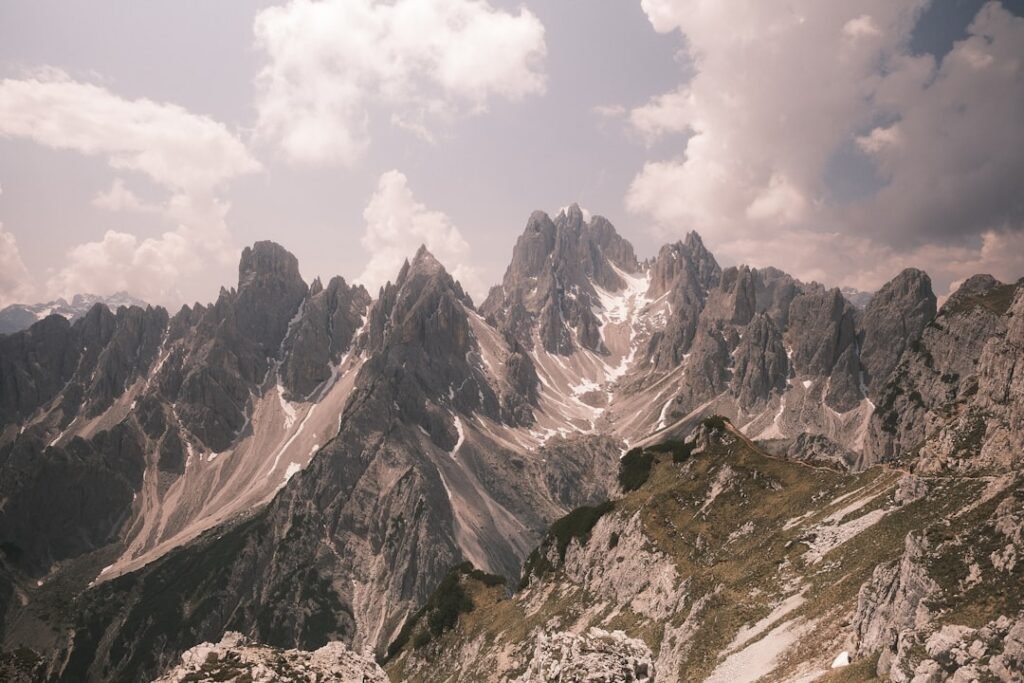

The Rocky Mountains, a majestic range that stretches over 3,000 miles from Canada to New Mexico, offer some of the most breathtaking hiking and backpacking opportunities in North America. With towering peaks, lush valleys, and diverse ecosystems, the Rockies are a paradise for outdoor enthusiasts. Trails vary from easy day hikes to challenging multi-day backpacking routes, catering to all skill levels.
For instance, the popular Longs Peak Trail in Colorado is a strenuous 15-mile round trip that ascends to an elevation of 14,259 feet. Hikers are rewarded with panoramic views of the surrounding landscape, but they must be prepared for rapidly changing weather conditions and the physical demands of high-altitude hiking. In addition to Longs Peak, the Rocky Mountain National Park features numerous trails that showcase the region’s stunning natural beauty.
The Bear Lake Trailhead serves as a gateway to several scenic hikes, including the Emerald Lake Trail, which is a moderate 3.6-mile round trip that leads to a picturesque alpine lake surrounded by towering cliffs. Backpackers can venture deeper into the wilderness on the Continental Divide Trail, which spans over 3,100 miles and traverses some of the most remote and pristine areas of the Rockies. This trail offers a unique opportunity to experience the solitude of nature while encountering diverse wildlife such as elk, bighorn sheep, and even the elusive mountain goat.
Key Takeaways
- Hiking and backpacking in the Rocky Mountains offer stunning views and diverse terrain for outdoor enthusiasts.
- Whitewater rafting on the Colorado River provides an exhilarating adventure through breathtaking canyons and rapids.
- Surfing and beach camping in California offer the perfect combination of outdoor activities and relaxation by the ocean.
- Wildlife safari in Yellowstone National Park allows visitors to observe a wide variety of animals in their natural habitat.
- Rock climbing in Yosemite National Park provides a thrilling experience for climbers of all skill levels amidst iconic granite cliffs.
Whitewater Rafting on the Colorado River
The Colorado River is renowned for its exhilarating whitewater rafting experiences, drawing adventurers from around the globe. Flowing through stunning canyons and rugged landscapes, the river offers a variety of rapids that cater to both novice and experienced rafters. One of the most famous sections for whitewater rafting is the Grand Canyon, where rafters navigate through Class III to Class V rapids while surrounded by breathtaking geological formations.
The thrill of tackling these rapids is matched only by the awe-inspiring views of the canyon walls that rise dramatically on either side. For those seeking a more accessible experience, sections of the Colorado River near Glenwood Springs provide family-friendly rafting options. The Shoshone Rapids section is particularly popular for its Class II and III rapids, making it suitable for beginners and families with children.
Guided rafting trips often include safety briefings and equipment rentals, ensuring that participants can focus on enjoying the adventure without worrying about logistics. The combination of adrenaline-pumping rapids and stunning scenery makes whitewater rafting on the Colorado River an unforgettable experience.
Surfing and Beach Camping in California

California’s coastline is a surfer’s paradise, boasting some of the best waves in the world along with picturesque beaches perfect for camping. From Malibu’s iconic surf breaks to the rugged shores of Big Sur, California offers diverse surfing experiences that cater to all skill levels. The beaches of Santa Cruz are particularly famous for their consistent swells and vibrant surf culture.
Surfers flock to spots like Steamer Lane and Cowell’s Beach, where they can ride waves while enjoying the camaraderie of fellow surf enthusiasts. Beach camping in California enhances the surfing experience by allowing surfers to immerse themselves in the coastal lifestyle. Campgrounds such as those found in Point Reyes National Seashore or San Onofre State Beach provide direct access to the ocean, making it easy for campers to catch early morning waves or enjoy sunset sessions.
Many campgrounds offer amenities like fire pits and picnic tables, creating a comfortable environment for relaxation after a day spent riding waves. The combination of surfing and beach camping creates a unique opportunity to connect with nature while enjoying one of California’s most beloved pastimes.
Wildlife Safari in Yellowstone National Park
| Metrics | 2019 | 2020 | 2021 |
|---|---|---|---|
| Number of visitors | 4,020,287 | 3,806,306 | 2,985,432 |
| Number of wildlife sightings | 12,345 | 11,567 | 9,876 |
| Number of bear sightings | 567 | 543 | 432 |
| Number of bison sightings | 2,345 | 2,123 | 1,987 |
Yellowstone National Park, established in 1872 as the first national park in the world, is a treasure trove of biodiversity and natural wonders. Spanning over 3,400 square miles across Wyoming, Montana, and Idaho, Yellowstone is home to an array of wildlife that includes bison, elk, grizzly bears, wolves, and countless bird species. A wildlife safari in Yellowstone offers visitors a chance to observe these magnificent creatures in their natural habitats while exploring the park’s stunning landscapes.
One of the best times for wildlife viewing in Yellowstone is during the early morning or late evening when animals are most active. The Lamar Valley is often referred to as “America’s Serengeti” due to its abundant wildlife population. Here, visitors can spot herds of bison grazing on the plains or watch wolves as they hunt in packs.
Guided wildlife tours are available for those who want expert insights into animal behavior and ecology. These tours often include binoculars and spotting scopes to enhance the viewing experience. The thrill of witnessing wildlife in their natural environment is an unforgettable aspect of visiting Yellowstone.
Rock Climbing in Yosemite National Park
Yosemite National Park is a mecca for rock climbers, attracting climbers from around the world with its iconic granite cliffs and challenging routes. El Capitan, one of the most famous rock formations globally, rises over 3,000 feet straight up from the valley floor and offers some of the most challenging climbing routes available. Climbers tackle routes like The Nose or Salathe Wall, which require not only technical skills but also endurance and mental fortitude.
The sheer scale of El Capitan provides an exhilarating backdrop for climbers who seek both challenge and adventure. In addition to El Capitan, Yosemite features numerous other climbing areas suitable for various skill levels. The Cathedral Spires and Half Dome offer stunning views and diverse climbing experiences.
For beginners or those looking to hone their skills, guided climbing courses are available that cover essential techniques such as belaying, rappelling, and route finding. The combination of breathtaking scenery and world-class climbing opportunities makes Yosemite a bucket-list destination for rock climbers.
Canoeing and Kayaking in the Boundary Waters
The Boundary Waters Canoe Area Wilderness (BWCAW) in Minnesota is a pristine expanse of interconnected lakes and rivers that offers unparalleled opportunities for canoeing and kayaking. With over 1,000 lakes and 1,500 miles of canoe routes, this wilderness area is a haven for paddlers seeking solitude and natural beauty. The BWCAW is known for its crystal-clear waters surrounded by lush forests and rugged granite cliffs, providing a serene backdrop for outdoor adventures.
Canoeing in the Boundary Waters allows paddlers to explore remote areas that are often inaccessible by foot. Many routes lead to secluded campsites where visitors can set up camp and immerse themselves in nature. The tranquility of gliding across calm waters while listening to the sounds of loons calling or watching eagles soar overhead creates an unforgettable experience.
For those looking for a more challenging adventure, kayaking through some of the faster-moving rivers can provide an adrenaline rush while still allowing for exploration of this stunning wilderness.
Mountain Biking in Moab, Utah
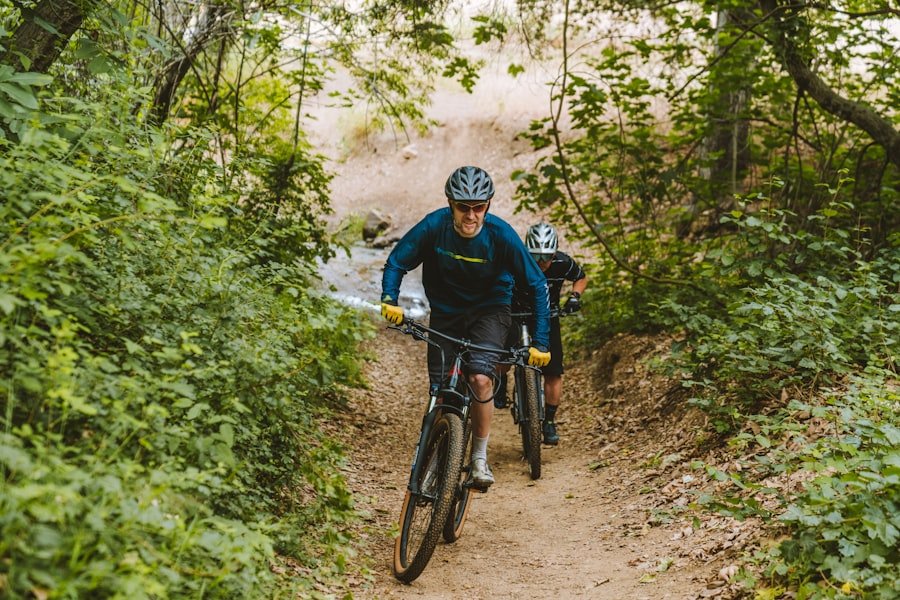
Moab, Utah, is renowned as one of the premier mountain biking destinations in the United States, offering a unique blend of challenging terrain and stunning desert landscapes. The area features an extensive network of trails that cater to all levels of mountain bikers, from beginners to seasoned pros. Iconic trails like Slickrock offer a thrilling ride over smooth sandstone with breathtaking views of the surrounding red rock formations.
The Slickrock Bike Trail is particularly famous for its challenging climbs and descents that test riders’ skills while providing an exhilarating experience. In addition to Slickrock, Moab boasts numerous other trails such as Porcupine Rim and Amasa Back that showcase diverse terrain ranging from technical rock gardens to flowing singletrack paths. The area’s unique geology creates an otherworldly landscape that enhances the biking experience.
Many local outfitters offer guided tours or bike rentals for those looking to explore without bringing their own gear. The combination of challenging trails and stunning scenery makes mountain biking in Moab an adventure that attracts riders from all over.
Zip-lining in the Great Smoky Mountains
Zip-lining through the Great Smoky Mountains offers an exhilarating way to experience one of America’s most beautiful national parks from a unique perspective. As visitors soar through the treetops at high speeds, they are treated to breathtaking views of lush forests, cascading waterfalls, and distant mountain ranges. Zip-lining tours typically consist of multiple lines that allow participants to glide from platform to platform while enjoying an adrenaline rush unlike any other.
Many zip-lining companies in the area provide guided tours that include safety equipment and instructions on proper techniques for navigating the course. Some zip lines stretch hundreds of feet long and reach heights that provide stunning vistas of the Smokies’ diverse ecosystems. This thrilling activity not only appeals to adventure seekers but also offers an opportunity to learn about local flora and fauna from knowledgeable guides who share insights about the park’s natural history during the tour.
Zip-lining in the Great Smoky Mountains combines adventure with education, making it a memorable experience for visitors seeking excitement amidst nature’s beauty.
For those looking to explore the great outdoors in North America, there are countless activities to enjoy, from hiking in the majestic Rocky Mountains to kayaking in the serene lakes of the Pacific Northwest. If you’re seeking inspiration for your next adventure, check out this article on the most beautiful cities in the world, which highlights urban areas that also serve as gateways to stunning natural landscapes. You can read more about it here.
FAQs
What are some popular outdoor activities in North America?
Some popular outdoor activities in North America include hiking, camping, fishing, kayaking, whitewater rafting, rock climbing, skiing, snowboarding, and wildlife watching.
Where are some of the best places for outdoor activities in North America?
Some of the best places for outdoor activities in North America include national parks such as Yellowstone, Yosemite, Grand Canyon, and Banff, as well as outdoor adventure destinations like Colorado, Alaska, Utah, and the Canadian Rockies.
What are some safety tips for outdoor activities in North America?
Some safety tips for outdoor activities in North America include being prepared for changing weather conditions, staying hydrated, following trail markers, informing someone of your plans, and being aware of wildlife in the area.
What gear is essential for outdoor activities in North America?
Essential gear for outdoor activities in North America may include hiking boots, a backpack, water bottles, a map and compass, sunscreen, insect repellent, and appropriate clothing for the weather conditions.
What are some eco-friendly outdoor activities in North America?
Some eco-friendly outdoor activities in North America include Leave No Trace camping, responsible wildlife viewing, using reusable water bottles and containers, and supporting local conservation efforts and sustainable tourism initiatives.