
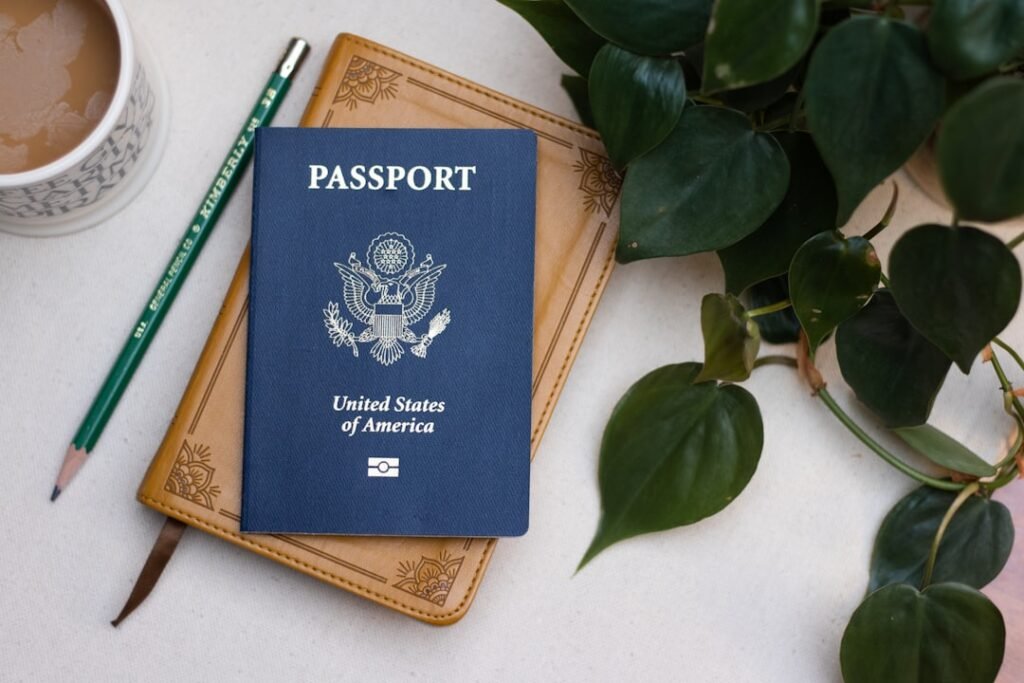

Traveling to North America can be an exhilarating experience, offering a diverse range of cultures, landscapes, and activities. However, before embarking on this journey, it is crucial to understand the visa requirements that govern entry into the region. North America comprises three primary countries: the United States, Canada, and Mexico, each with its own set of regulations and visa categories.
These requirements can vary significantly based on the traveler’s nationality, purpose of visit, and duration of stay. Navigating the visa application process can be daunting, especially for first-time travelers. It is essential to familiarize oneself with the specific requirements for each country to ensure a smooth entry.
This article aims to provide a comprehensive overview of the different types of visas available for North America, the specific requirements for the United States, Canada, and Mexico, as well as practical tips for applying and common pitfalls to avoid. By understanding these elements, travelers can better prepare for their adventures in this vibrant region.
Key Takeaways
- North America has different visa requirements for travelers depending on the country they are visiting.
- There are different types of visas for North America, including tourist visas, business visas, and student visas.
- The United States has specific visa requirements, including the need for a valid passport and a visa application.
- Canada also has its own visa requirements, including the need for a visitor visa or an electronic travel authorization (eTA).
- Mexico has its own visa requirements, including the need for a tourist card or a visa, depending on the traveler’s nationality.
Understanding the Different Types of Visas for North America
When considering travel to North America, it is important to recognize that there are various types of visas tailored to different purposes. Broadly speaking, visas can be categorized into non-immigrant and immigrant visas. Non-immigrant visas are intended for temporary stays, such as tourism, business, or study, while immigrant visas are designed for those seeking permanent residency.
Each country has its own classifications within these categories. For instance, in the United States, non-immigrant visas include categories such as B-1/B-2 for tourists and business visitors, F-1 for students, and H-1B for specialized workers. Canada offers visitor visas (TRVs), study permits, and work permits under its non-immigrant category.
Mexico has similar classifications, including tourist visas and temporary resident visas. Understanding these distinctions is vital for travelers to select the appropriate visa that aligns with their travel intentions.
Visa Requirements for the United States

The United States has a complex visa system that requires travelers to adhere to specific guidelines based on their nationality and purpose of visit. For many travelers, the first step is determining whether they qualify for the Visa Waiver Program (VWP), which allows citizens from certain countries to enter the U.S. for tourism or business for up to 90 days without a visa.
However, those not eligible must apply for a visa through a U.S. embassy or consulate. The application process typically involves filling out the DS-160 form online, paying a non-refundable visa application fee, and scheduling an interview at a U.S.
consulate or embassy. During the interview, applicants must provide documentation that supports their travel purpose, such as proof of accommodation, financial stability, and ties to their home country that demonstrate their intent to return after their visit. It is also essential to have a valid passport with at least six months of validity beyond the intended stay.
Visa Requirements for Canada
| Country | Visa Requirement |
|---|---|
| United States | Not required for stays under 180 days |
| United Kingdom | Not required for stays under 6 months |
| India | Visa required |
| China | Visa required |
Canada’s visa requirements are similarly structured but differ in specific details and processes. Travelers from certain countries may enter Canada without a visa but will need an Electronic Travel Authorization (eTA) if arriving by air. For those who require a visa, Canada offers visitor visas (both single-entry and multiple-entry), study permits, and work permits.
The application process for a Canadian visitor visa involves submitting an application online or on paper, along with supporting documents such as proof of funds, travel itinerary, and a letter of invitation if applicable. Applicants may also need to undergo biometrics collection at designated centers. The processing times can vary significantly based on the applicant’s nationality and the volume of applications being processed at the time.
It is advisable to apply well in advance of planned travel dates to avoid any last-minute complications.
Visa Requirements for Mexico
Mexico’s visa requirements are generally less stringent than those of the United States or Canada but still necessitate careful attention from travelers. Citizens from many countries can enter Mexico as tourists without a visa for stays of up to 180 days; however, they must complete a tourist card (Forma Migratoria Multiple) upon arrival. This card serves as a record of entry and must be kept until departure.
For travelers who plan to stay longer or engage in activities such as work or study, a temporary resident visa may be required. The application process typically involves submitting documentation that demonstrates financial stability and ties to the home country. Additionally, applicants may need to provide proof of accommodation in Mexico and a valid passport with sufficient validity remaining.
As with other countries in North America, it is prudent to check specific requirements based on nationality before making travel arrangements.
Tips for Applying for a North America Travel Visa
Applying for a travel visa can be a meticulous process that requires careful preparation and attention to detail. One of the most important tips is to start the application process early. Visa processing times can vary widely depending on the country and type of visa being applied for; therefore, initiating the process well in advance can alleviate stress and allow time for any unforeseen delays.
Another critical aspect is ensuring that all documentation is complete and accurate. This includes providing all required forms, supporting documents, and any additional information requested by the consulate or embassy. It is advisable to double-check all entries on forms to avoid errors that could lead to delays or denials.
Additionally, maintaining clear communication with the consulate or embassy can help clarify any uncertainties regarding the application process.
Common Mistakes to Avoid When Applying for a North America Travel Visa
While applying for a North America travel visa, applicants often make several common mistakes that can hinder their chances of approval. One prevalent error is failing to provide sufficient evidence of ties to their home country. Consulates look for assurance that applicants will return after their visit; thus, demonstrating strong connections—such as employment, family obligations, or property ownership—can significantly bolster an application.
Another frequent pitfall is neglecting to follow specific instructions provided by the consulate or embassy regarding documentation and interview preparation. Each country may have unique requirements that must be adhered to strictly; overlooking these details can result in delays or outright denials. Additionally, applicants should avoid submitting incomplete applications or failing to pay required fees on time, as these oversights can lead to complications in processing.
Conclusion and Additional Resources for North America Travel Visa Information
Understanding the intricacies of North America travel visa requirements is essential for ensuring a successful trip to this diverse region. By familiarizing oneself with the different types of visas available and adhering to each country’s specific requirements, travelers can navigate the application process more effectively. Resources such as official government websites provide up-to-date information on visa categories, application procedures, and processing times.
For further assistance, travelers may consider consulting immigration lawyers or visa agencies specializing in North American travel visas. These professionals can offer personalized guidance tailored to individual circumstances and help mitigate potential challenges during the application process. With thorough preparation and awareness of common pitfalls, travelers can embark on their North American adventures with confidence and excitement.
When planning a trip to North America, understanding the travel visa requirements is crucial for a smooth journey. Each country within the continent has its own set of rules and regulations, which can vary significantly depending on your nationality. While you’re preparing for your North American adventure, you might also want to explore some of the most stunning destinations the region has to offer. For instance, the United States is home to some breathtaking islands that are worth visiting. To get inspired, check out this article on the 23 Most Beautiful Islands in the USA. This guide will provide you with insights into these picturesque locations, making your travel planning even more exciting.
FAQs
What are the general visa requirements for traveling to North America?
Visa requirements for traveling to North America vary depending on the country you are from. It is important to check the specific visa requirements for the country you are planning to visit in North America.
Do I need a visa to travel to the United States?
Most visitors to the United States will need a visa, unless they are from a country that is part of the Visa Waiver Program. It is important to check the specific visa requirements for your country before traveling to the United States.
Do I need a visa to travel to Canada?
Most visitors to Canada will need a visa, unless they are from a country that is exempt from visa requirements. It is important to check the specific visa requirements for your country before traveling to Canada.
Do I need a visa to travel to Mexico?
Most visitors to Mexico will need a visa, unless they are from a country that is exempt from visa requirements. It is important to check the specific visa requirements for your country before traveling to Mexico.
How do I apply for a visa to travel to North America?
Visa application processes vary depending on the country you are applying to visit. It is important to check the specific visa application process for the country you are planning to visit in North America.