
When preparing for a trip, the selection of clothing is paramount, as it directly influences comfort, style, and adaptability to various environments. The foundation of any travel wardrobe should include versatile pieces that can be mixed and matched. For instance, a pair of well-fitted jeans can serve multiple purposes, transitioning seamlessly from a casual day of sightseeing to a more polished evening out.
Layering is also crucial; lightweight sweaters or cardigans can provide warmth without taking up much space in your luggage. Fabrics that are breathable and quick-drying, such as merino wool or synthetic blends, are ideal for travel, as they can handle a range of temperatures and are easy to wash and dry overnight. In addition to the basics, it’s wise to consider the climate and cultural norms of your destination.
If traveling to a region with a conservative dress code, packing long-sleeved shirts and long pants may be necessary. Conversely, if you’re heading to a tropical locale, lightweight dresses or shorts will keep you cool. Accessories like scarves or hats not only enhance your outfits but also provide protection from the sun or warmth in cooler climates.
Footwear is another critical aspect; comfortable walking shoes are essential for exploring new cities, while sandals or dress shoes can be included for evenings out. Ultimately, the goal is to create a cohesive wardrobe that allows for flexibility and comfort throughout your journey.
Key Takeaways
- Invest in versatile and comfortable clothing essentials for different weather conditions and activities.
- Keep travel documents, cash, and cards in a secure and easily accessible location.
- Pack essential electronics and accessories such as chargers, adapters, and power banks.
- Remember to bring toiletries and personal care items in travel-sized containers.
- Prioritize health and safety items such as first aid kit, medications, and sunscreen.
- Pack outdoor and adventure gear based on the specific activities and environment of your destination.
- Don’t forget miscellaneous items like a reusable water bottle, travel pillow, and a small sewing kit.
- Use packing cubes, roll clothes, and utilize every inch of space in your luggage for efficient packing.
Travel Documents and Money
Traveling requires meticulous organization of essential documents and financial resources to ensure a smooth experience. At the forefront of this preparation is your passport, which should be valid for at least six months beyond your intended return date. It’s advisable to make photocopies of your passport and other important documents, such as visas and travel insurance policies, keeping them in a separate location from the originals.
This precaution can save you significant stress in case of loss or theft. Additionally, consider using a travel wallet or organizer that keeps all your documents in one place, making it easier to access them when needed. Money management while traveling is equally important.
Depending on your destination, carrying a mix of cash and cards can be beneficial. While credit cards are widely accepted in many countries, having local currency on hand is essential for smaller purchases or in areas where card payments are not feasible. Researching the best methods for currency exchange ahead of time can help you avoid unfavorable rates at airports or tourist hotspots.
Furthermore, notifying your bank about your travel plans can prevent any issues with card usage abroad. Using a money belt or hidden pouch can also enhance security by keeping your cash and cards close to your body, reducing the risk of theft.
Electronics and Accessories
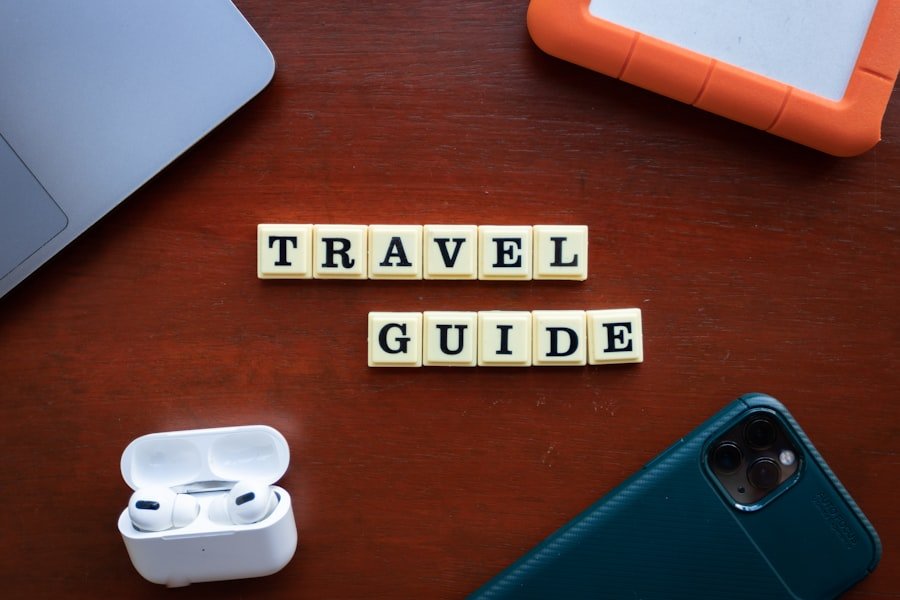
In today’s digital age, electronics play a crucial role in travel, serving both practical and entertainment purposes. A smartphone is often the most essential device, providing navigation, communication, and access to travel apps that can enhance your experience. It’s wise to download offline maps and translation apps before you leave, as these can be invaluable in areas with limited internet connectivity.
Additionally, consider bringing a portable charger or power bank to ensure your devices remain charged throughout the day, especially during long excursions. Beyond smartphones, other electronics may enhance your travel experience. A lightweight laptop or tablet can be useful for those who need to work remotely or wish to document their journey through writing or photography.
Noise-canceling headphones are another excellent investment for travelers, providing a peaceful escape during long flights or train rides. When packing these devices, don’t forget the necessary chargers and adapters; different countries have varying plug types and voltage requirements. A universal travel adapter can simplify this process by accommodating multiple plug types in one compact device.
Toiletries and Personal Care
| Category | Sales | Profit Margin | Market Share |
|---|---|---|---|
| Shampoo | 500,000 | 25% | 15% |
| Toothpaste | 300,000 | 30% | 10% |
| Soap | 400,000 | 20% | 12% |
Toiletries are often overlooked in the packing process, yet they are essential for maintaining personal hygiene and comfort while traveling. When selecting toiletries, consider travel-sized containers to save space in your luggage. Many brands offer mini versions of popular products, from shampoos to skincare items, which can be both convenient and compliant with airline regulations regarding liquids.
Alternatively, you can invest in reusable travel bottles that allow you to bring your favorite products without taking up excessive room. Personal care items should also include essentials like sunscreen, insect repellent, and any medications you may need during your trip. Sunscreen is particularly important for protecting your skin from harmful UV rays, especially if you plan to spend time outdoors or in sunny destinations.
Insect repellent is crucial in areas where mosquito-borne diseases are prevalent; choosing a product with DEET or natural alternatives can help keep you safe from bites. Additionally, packing a small first-aid kit with band-aids, antiseptic wipes, and pain relievers can provide peace of mind during your travels.
Health and Safety Items
Health and safety should always be a priority when traveling, as unforeseen circumstances can arise at any moment. One of the most critical items to include in your packing list is a comprehensive travel insurance policy that covers medical emergencies, trip cancellations, and lost belongings. Before departing, familiarize yourself with the healthcare system in your destination country; knowing where to find medical assistance can save valuable time in an emergency.
In addition to insurance, consider packing a basic health kit that includes items such as prescription medications, over-the-counter pain relievers, antihistamines for allergies, and any specific medications you may require. If traveling to remote areas or countries with limited medical facilities, it may also be wise to include items like rehydration salts or anti-diarrheal medication. Furthermore, staying informed about any vaccinations required for your destination is crucial; consult with a healthcare professional well in advance of your trip to ensure you are adequately protected against potential health risks.
Outdoor and Adventure Gear
For those who seek adventure during their travels, packing the right outdoor gear is essential for both safety and enjoyment. Depending on your planned activities—such as hiking, camping, or water sports—specific equipment may be necessary. For hiking enthusiasts, sturdy hiking boots with good ankle support are vital for navigating rugged terrain.
Additionally, moisture-wicking clothing designed for outdoor activities can help regulate body temperature and keep you comfortable during physical exertion. If your travels include camping or backpacking, investing in lightweight gear such as a compact tent and sleeping bag can significantly enhance your experience. A portable cooking system may also be beneficial for preparing meals in remote locations.
For water-based adventures like kayaking or snorkeling, don’t forget essentials like a waterproof dry bag to protect your belongings from water damage. Regardless of the specific activities planned, ensuring that you have the appropriate gear will not only enhance your enjoyment but also contribute to your safety while exploring the great outdoors.
Miscellaneous Items
While the essentials often take precedence in packing lists, there are several miscellaneous items that can greatly enhance your travel experience. A reusable water bottle is one such item; staying hydrated is crucial while traveling, especially in hot climates or during long excursions. Many destinations now have refill stations available at airports and public spaces, making it easy to keep your bottle filled without contributing to plastic waste.
Another often-overlooked item is a travel journal or sketchbook. Documenting your experiences through writing or drawing can provide a creative outlet during downtime and serve as a cherished keepsake once you return home. Additionally, packing a small set of travel games or playing cards can provide entertainment during long waits at airports or evenings spent in accommodations without television or internet access.
These small additions can significantly enrich your travel experience by fostering creativity and connection with fellow travelers.
Packing Tips and Tricks
Efficient packing is an art form that can make all the difference in how enjoyable your travels are. One effective strategy is the rolling method; rolling clothes instead of folding them can save space and reduce wrinkles. This technique allows you to fit more into your suitcase while keeping everything organized and easily accessible.
Additionally, utilizing packing cubes can help compartmentalize items by category—such as clothing, electronics, and toiletries—making it easier to find what you need without rummaging through your entire bag. Another valuable tip is to create a packing list tailored to your specific trip; this ensures that nothing essential is forgotten while also preventing overpacking. Start by listing out each category—clothing essentials, toiletries, electronics—and then fill in specific items under each heading based on your itinerary and activities planned.
As you pack each item, check it off the list to maintain organization and peace of mind. Finally, consider leaving some space in your luggage for souvenirs or items you may acquire during your travels; this flexibility will allow you to bring home memories without the stress of cramming everything into an already full suitcase.
When planning your next adventure to North America, having a comprehensive travel packing list is essential to ensure a smooth and enjoyable trip. For those looking to explore the vibrant cityscapes and natural wonders of this diverse continent, you might also be interested in discovering some of the top tourist attractions in San Francisco. This iconic city offers a blend of cultural landmarks and scenic beauty that should not be missed. For more information on what to see and do in San Francisco, check out this San Francisco Top Tourist Attractions Guide. This guide will help you make the most of your visit, complementing your well-prepared packing list with exciting destinations to explore.
FAQs
What should I pack for a trip to North America?
When packing for a trip to North America, it’s important to consider the weather and activities you’ll be participating in. Essentials include clothing suitable for the climate, comfortable walking shoes, travel documents, toiletries, and any necessary electronics.
What type of clothing should I pack for North America?
The type of clothing you should pack for North America depends on the season and region you’ll be visiting. In general, it’s a good idea to pack layers, including t-shirts, sweaters, a light jacket, and a waterproof outer layer. Don’t forget to pack comfortable walking shoes and any specialized clothing for outdoor activities.
What travel documents do I need for North America?
When traveling to North America, you will need a valid passport. Depending on your country of origin, you may also need a visa or an Electronic Travel Authorization (eTA) for certain countries. It’s important to check the specific entry requirements for the country you’ll be visiting.
What toiletries should I pack for North America?
When packing toiletries for North America, it’s important to remember that the TSA has restrictions on liquids in carry-on luggage. Pack travel-sized toiletries such as shampoo, conditioner, toothpaste, and sunscreen. It’s also a good idea to pack any necessary medications and a basic first-aid kit.
What electronics should I pack for North America?
When traveling to North America, it’s important to pack any necessary electronics such as a smartphone, camera, and chargers. If you’re bringing any electrical devices, don’t forget to pack the appropriate adapters and converters for North American outlets.