
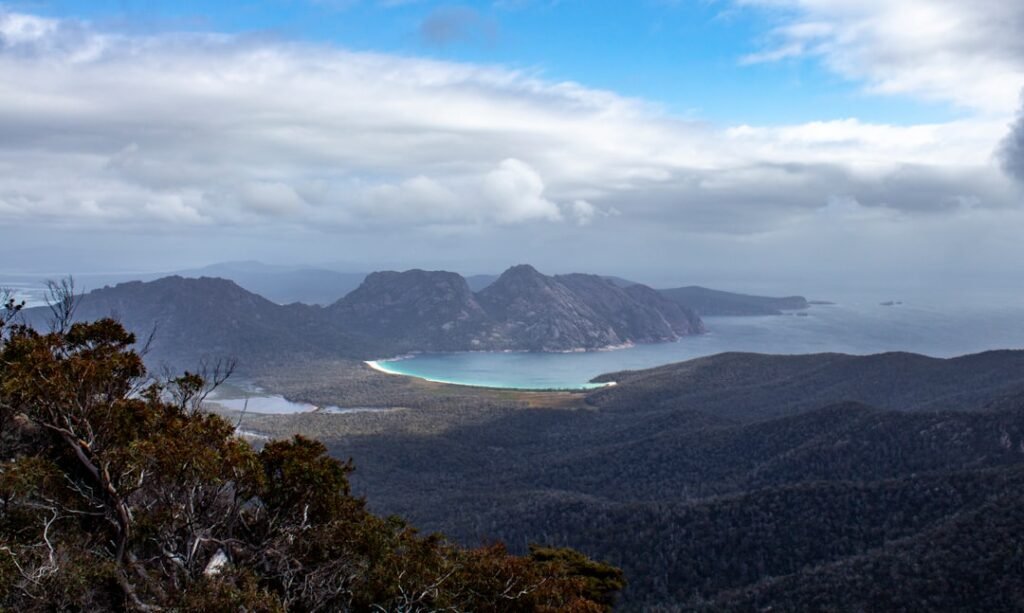

Tasmania, the island state of Australia, is a land of stunning natural beauty, rich history, and unique wildlife. Separated from the mainland by the Bass Strait, Tasmania boasts a diverse landscape that ranges from rugged mountains and dense forests to pristine beaches and charming towns. The island is renowned for its commitment to conservation, with over 40% of its land designated as national parks and reserves.
This commitment not only preserves the breathtaking scenery but also protects the unique flora and fauna that call Tasmania home, including the famous Tasmanian devil. The cultural heritage of Tasmania is equally compelling. The island has a rich Aboriginal history that dates back over 40,000 years, with numerous sites of significance scattered throughout the landscape.
European settlement began in the early 19th century, leading to a complex history marked by both conflict and cooperation between Indigenous peoples and settlers. Today, Tasmania is celebrated for its vibrant arts scene, gourmet food culture, and a burgeoning wine industry, making it a destination that appeals to a wide range of travelers. Whether you are an outdoor enthusiast, a history buff, or a foodie, Tasmania offers an array of experiences that are sure to leave a lasting impression.
Key Takeaways
- Tasmania is a beautiful island state in Australia known for its stunning landscapes, rich history, and unique wildlife.
- Spend the first two days exploring Hobart and its surrounding areas, including the historic Salamanca Market and the iconic Mount Wellington.
- Embark on an East Coast adventure on days 3-4, visiting the picturesque Bay of Fires and the stunning Wineglass Bay.
- Days 5-6 are perfect for exploring Freycinet National Park, home to beautiful beaches and great hiking trails.
- Conclude the trip with a visit to Cradle Mountain and Lake St Clair, and end with a relaxing day in Launceston and Tamar Valley before departing from Tasmania.
Day 1-2: Hobart and Surrounds
Your Tasmanian adventure begins in Hobart, the capital city, which is nestled between the majestic Mount Wellington and the sparkling Derwent River. Upon arrival, take some time to explore the historic waterfront area known as Salamanca Place. This vibrant precinct is lined with beautifully restored sandstone warehouses that now house galleries, boutiques, and cafes.
On Saturdays, the Salamanca Market comes alive with local artisans selling handmade crafts, fresh produce, and gourmet food items. It’s an excellent opportunity to sample some of Tasmania’s culinary delights, such as fresh oysters or artisanal cheeses. As you delve deeper into Hobart’s cultural offerings, a visit to the Museum of Old and New Art (MONA) is a must.
This avant-garde museum is not only architecturally stunning but also houses an eclectic collection of contemporary art that challenges conventional boundaries. The journey to MONA itself is an experience; you can take a scenic ferry ride along the Derwent River, providing picturesque views of the city and surrounding landscapes. After immersing yourself in art and culture, consider taking a short drive to Mount Wellington for panoramic views of Hobart and beyond.
The summit offers numerous walking trails that cater to various fitness levels, allowing you to appreciate the natural beauty of Tasmania from above.
Day 3-4: East Coast Adventure
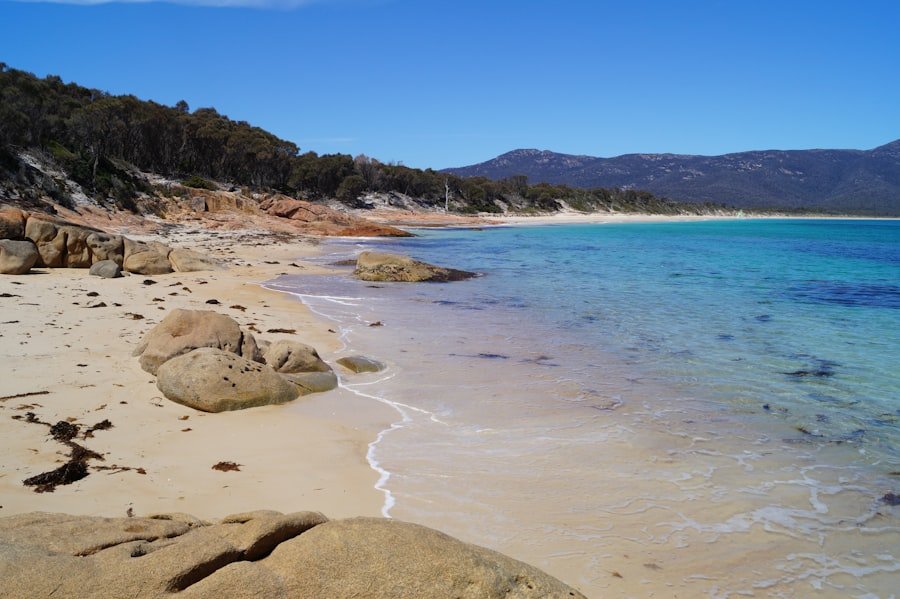
Leaving Hobart behind, your journey continues along Tasmania’s breathtaking East Coast. The drive itself is a visual feast, with coastal vistas and lush forests lining the route. One of the first stops should be the charming town of Orford, where you can enjoy a leisurely stroll along the beach or indulge in some local seafood at one of the quaint eateries.
As you continue northward, make sure to visit the iconic Freycinet Peninsula, home to some of Tasmania’s most stunning landscapes. Freycinet National Park is renowned for its dramatic granite peaks and pristine beaches. One of the highlights here is Wineglass Bay, often cited as one of the world’s most beautiful beaches.
A hike to the Wineglass Bay lookout offers breathtaking views of the bay’s crescent shape and turquoise waters. The trek can be challenging but is well worth the effort for those who appreciate nature’s splendor. For those looking for a more relaxed experience, consider taking a guided boat tour around the peninsula to explore hidden coves and spot wildlife such as dolphins and seals.
Day 5-6: Freycinet National Park and Wineglass Bay
| Day | Activity | Metric |
|---|---|---|
| Day 5 | Hiking | Distance: 12 km |
| Day 5 | Scenic Views | Wineglass Bay Lookout |
| Day 6 | Beach Time | Relaxing at Wineglass Bay |
| Day 6 | Wine Tasting | Visiting local vineyards |
After your initial exploration of Freycinet National Park, dedicate more time to fully immerse yourself in its natural wonders. Spend your days hiking through lush forests filled with unique flora or relaxing on secluded beaches where you can soak up the sun or take a refreshing dip in crystal-clear waters. The park offers various walking tracks catering to different skill levels; for instance, the Hazards Beach Circuit provides an opportunity to experience both Wineglass Bay and Hazards Beach in one scenic loop.
For those interested in wildlife, Freycinet is home to an array of species including wallabies, echidnas, and numerous bird species. Early morning or late afternoon walks often yield sightings of these creatures in their natural habitat. Additionally, consider indulging in some local culinary experiences during your stay; many nearby accommodations offer gourmet dining options featuring fresh local produce and seafood.
Pair your meal with a glass of Tasmanian wine from one of the nearby vineyards for a truly memorable dining experience.
Day 7-8: Cradle Mountain and Lake St Clair
As you make your way towards Cradle Mountain-Lake St Clair National Park, prepare for some of Tasmania’s most iconic landscapes. Cradle Mountain is one of Australia’s most photographed peaks, characterized by its jagged silhouette rising dramatically from the surrounding wilderness. Upon arrival at the park, take advantage of the visitor center to gather information about walking tracks and ranger-led activities available during your stay.
The Dove Lake Circuit is a popular walking trail that offers stunning views of Cradle Mountain reflected in the lake’s tranquil waters. This relatively easy walk allows you to appreciate the diverse ecosystems within the park while keeping an eye out for wildlife such as wombats and Tasmanian devils. For those seeking more adventure, consider tackling the challenging ascent to Marion’s Lookout for breathtaking panoramic views that reward your efforts with unforgettable scenery.
Day 9: Launceston and Tamar Valley
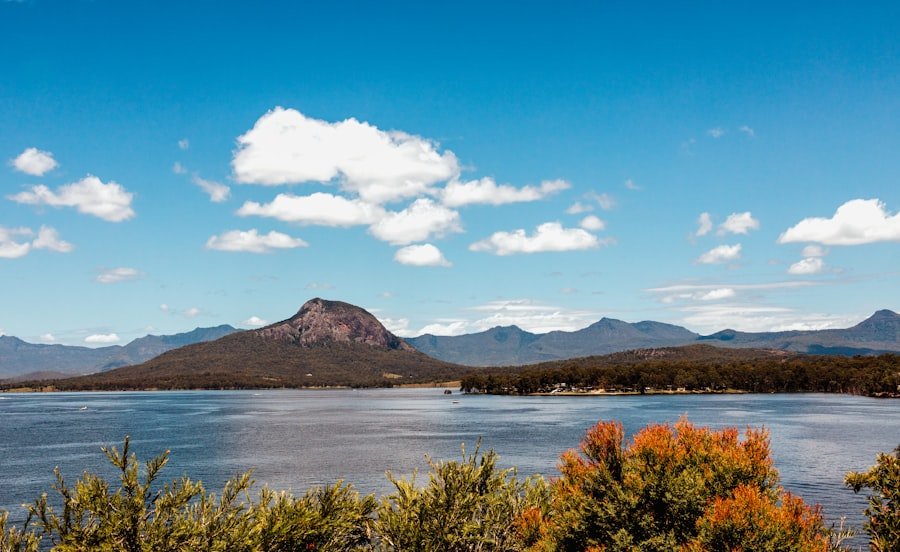
On your final full day in Tasmania, head towards Launceston, located in the north of the island. This city is known for its rich history and beautiful parks, including City Park which features stunning gardens and a colony of Japanese macaques. Launceston also serves as a gateway to Tamar Valley, renowned for its picturesque vineyards and wineries.
A visit to this region offers an opportunity to sample some of Tasmania’s finest wines while enjoying stunning views of rolling hills and river valleys. Consider embarking on a wine tour that takes you through several vineyards where you can taste award-winning Pinot Noir and Chardonnay varieties. Many wineries also offer gourmet dining options that highlight local produce paired with their wines.
As you explore Tamar Valley, don’t miss out on visiting local artisan producers who create everything from cheese to chocolate; these experiences provide insight into Tasmania’s thriving food culture.
Day 10: Departure from Tasmania
As your Tasmanian adventure comes to an end, take some time to reflect on the diverse experiences you’ve encountered throughout your journey. Depending on your flight schedule, you may have a few hours left to explore more of Launceston or revisit any favorite spots before heading to the airport. If time permits, consider visiting Cataract Gorge Reserve, just a short distance from the city center.
This natural wonder features walking trails, a suspension bridge, and even a chairlift offering stunning views over the gorge. Before departing Tasmania, be sure to pick up some local souvenirs or gourmet treats to take home with you as mementos of your trip. Whether it’s handcrafted jewelry from local artisans or delicious Tasmanian honey or jam, these items will serve as reminders of your unforgettable journey through this remarkable island state.
Conclusion and Additional Tips
Traveling through Tasmania offers an unparalleled opportunity to connect with nature while experiencing rich cultural heritage and culinary delights. To make the most of your trip, consider planning your itinerary around seasonal events or festivals that showcase local traditions and produce. Additionally, be mindful of Tasmania’s variable weather; packing layers will ensure you are prepared for anything from sunny days to sudden rain showers.
Engaging with local communities can enhance your experience significantly; don’t hesitate to ask locals for recommendations on hidden gems or lesser-known attractions that may not be on typical tourist routes. Finally, take time to savor each moment—whether it’s enjoying a quiet sunset over Wineglass Bay or sharing stories with fellow travelers at a cozy Hobart café—these experiences will enrich your journey through this captivating island state.
If you’re planning a 10-day itinerary in Tasmania and are looking for more travel inspiration, you might find the article on exploring Rio de Janeiro quite intriguing. While Tasmania offers breathtaking landscapes and unique wildlife, Rio de Janeiro provides a vibrant cultural experience with its stunning beaches and lively festivals. For a taste of what awaits in Rio, check out this related article: Explore Rio de Janeiro. This piece will give you insights into the must-see attractions and activities in one of South America’s most iconic cities, offering a perfect contrast to the serene beauty of Tasmania.
FAQs
What is the best time of year to visit Tasmania?
The best time to visit Tasmania is during the summer months of December to February, when the weather is warm and the days are long. However, Tasmania can be visited year-round, with each season offering its own unique attractions.
What are some must-see attractions in Tasmania?
Some must-see attractions in Tasmania include the stunning Freycinet National Park, the historic Port Arthur, the vibrant Salamanca Market in Hobart, the iconic Cradle Mountain, and the beautiful Bay of Fires.
What outdoor activities are popular in Tasmania?
Tasmania is a paradise for outdoor enthusiasts, with popular activities including hiking in the many national parks, exploring the rugged coastline by kayak, wildlife spotting, and taking scenic drives through the picturesque countryside.
What are some recommended day trips in Tasmania?
Recommended day trips in Tasmania include visiting the charming town of Richmond, exploring the Tamar Valley wine region, taking a cruise along the Gordon River, and visiting the quaint village of Stanley.
What are some local delicacies to try in Tasmania?
Tasmania is known for its fresh seafood, including delicious oysters and salmon. Other local delicacies to try include Tasmanian cheese, honey, and the famous Tasmanian whisky.
Is it necessary to rent a car for a 10-day itinerary in Tasmania?
While it is possible to get around Tasmania using public transportation and guided tours, renting a car is highly recommended for the flexibility and freedom it provides, especially for exploring the more remote and scenic areas of the island.