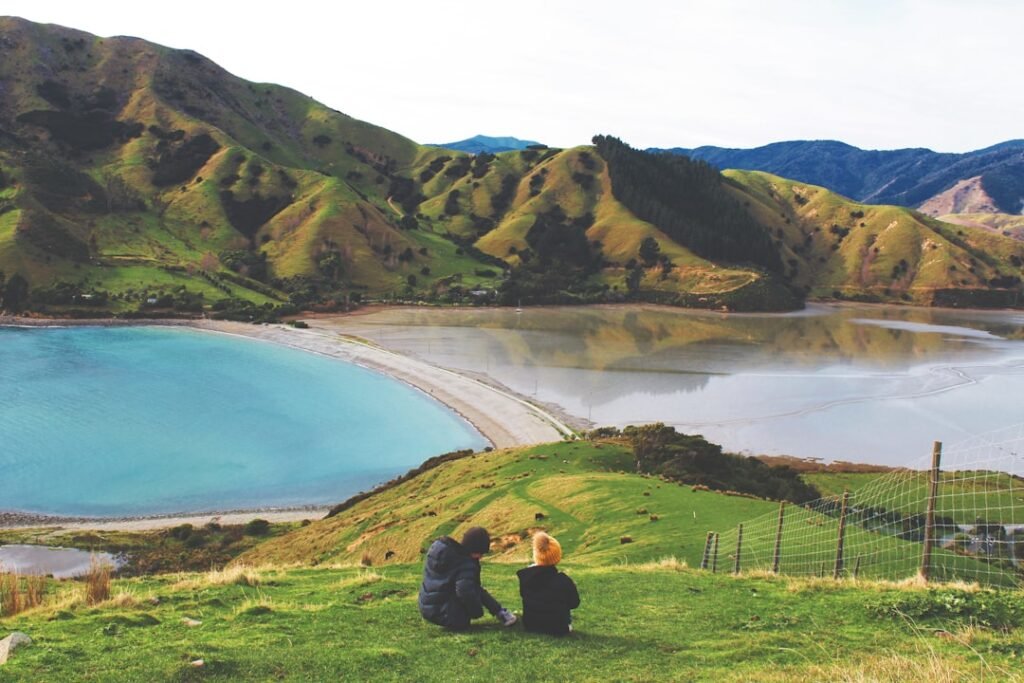

New Zealand, an island nation located in the southwestern Pacific Ocean, is renowned for its breathtaking landscapes, rich cultural heritage, and diverse ecosystems. Comprising two main landmasses, the North Island and the South Island, along with numerous smaller islands, New Zealand offers a unique blend of natural beauty and vibrant urban life. The country is characterized by its stunning fjords, majestic mountains, lush forests, and pristine beaches, making it a paradise for nature lovers and adventure seekers alike.
The indigenous Māori culture adds a rich layer of history and tradition to the experience of visiting this remarkable destination. The country’s geographical isolation has fostered a unique biodiversity, with many species of flora and fauna found nowhere else on Earth. From the towering peaks of the Southern Alps to the geothermal wonders of Rotorua, New Zealand’s landscapes are as varied as they are stunning.
The nation is also known for its commitment to environmental conservation, with numerous national parks and protected areas that showcase its natural heritage. As travelers embark on their journey through New Zealand, they will find themselves immersed in a land where adventure and tranquility coexist harmoniously.
Key Takeaways
- New Zealand offers diverse experiences from vibrant cities to stunning natural landscapes across both North and South Islands.
- Auckland and the North Island provide urban exploration and cultural insights in the first three days.
- Adventure activities dominate the South Island itinerary, including outdoor pursuits in Queenstown and Fiordland.
- The West Coast and Abel Tasman National Park highlight coastal beauty and relaxation opportunities.
- Wellington offers rich cultural experiences to conclude the trip, complemented by practical travel tips throughout the journey.
Day 1-3: Exploring Auckland and the North Island
Auckland, New Zealand’s largest city, serves as an ideal starting point for any exploration of the North Island. With its vibrant urban atmosphere, stunning waterfront, and diverse cultural scene, Auckland offers a plethora of activities for visitors. The Sky Tower, standing at 328 meters, provides panoramic views of the city and its surrounding landscapes.
Adventurous souls can even try the SkyJump or SkyWalk for an adrenaline rush. The Viaduct Harbour is another must-visit area, where one can enjoy waterfront dining and watch yachts sail in and out of the marina. Beyond the city limits, the North Island boasts a wealth of natural wonders.
A short drive from Auckland leads to the stunning Waitakere Ranges, where visitors can hike through lush rainforests and discover hidden waterfalls. The black sand beaches of Piha and Karekare are perfect for those looking to relax by the ocean or catch some waves. Additionally, a day trip to the geothermal wonderland of Rotorua reveals bubbling mud pools, geysers, and hot springs that showcase the region’s volcanic activity.
The Māori cultural experiences available in Rotorua provide insight into the traditions and customs of New Zealand’s indigenous people.
Day 4-7: Adventure in the South Island
Transitioning to the South Island marks a shift from urban exploration to exhilarating outdoor adventures. The journey often begins with a flight from Auckland to Queenstown, known as the adventure capital of New Zealand. Here, adrenaline junkies can partake in bungee jumping, skydiving, or jet boating on the Shotover River.
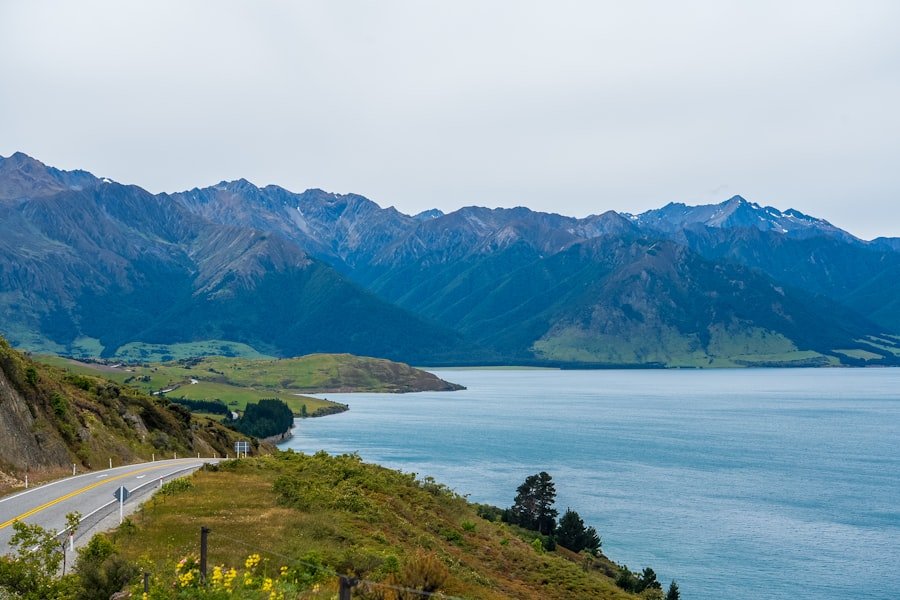
The surrounding landscapes are equally captivating; the Remarkables mountain range provides a stunning backdrop for hiking and photography. From Queenstown, travelers can embark on a road trip to Milford Sound, one of New Zealand’s most iconic destinations. The drive itself is an adventure, with winding roads that offer breathtaking views of mountains, lakes, and valleys.
Once at Milford Sound, visitors can take a scenic cruise through the fjord, marveling at towering cliffs and cascading waterfalls. The experience is often enhanced by encounters with local wildlife, including dolphins and seals. For those seeking more remote adventures, Fiordland National Park offers numerous hiking trails, such as the famous Milford Track or the Routeburn Track, which showcase the region’s pristine wilderness.
Day 8-10: Relaxation in Queenstown and Fiordland National Park
| Day | Location | Activity | Duration | Distance Covered (km) | Estimated Cost | Notes |
|---|---|---|---|---|---|---|
| 8 | Queenstown | Relaxation and local sightseeing | Full day | 10 | Moderate | Visit local cafes, stroll around Lake Wakatipu |
| 9 | Fiordland National Park | Milford Sound cruise and nature walk | 8 hours | 120 (round trip) | High | Includes boat cruise and guided walk |
| 10 | Queenstown | Leisure day with optional spa and shopping | Full day | 5 | Variable | Relax at spa or explore local markets |
After an action-packed few days in Queenstown and Milford Sound, it’s time to unwind and soak in the serene beauty of Fiordland National Park. This UNESCO World Heritage site is characterized by its dramatic fjords, lush rainforests, and tranquil lakes. Visitors can take leisurely walks along Lake Te Anau or embark on a guided kayak tour to explore hidden coves and inlets.
The peaceful surroundings provide an opportunity for reflection and appreciation of nature’s grandeur. Queenstown itself offers a variety of relaxation options as well. The town is dotted with charming cafes and restaurants where visitors can savor local cuisine while enjoying views of Lake Wakatipu.
A visit to one of the nearby vineyards in Gibbston Valley allows for wine tasting amidst picturesque landscapes. For those seeking rejuvenation, several spas offer treatments that incorporate local ingredients and techniques designed to refresh both body and mind. This balance of adventure and relaxation makes Queenstown a perfect destination for travelers looking to recharge.
Day 11-12: Discovering the West Coast and Abel Tasman National Park
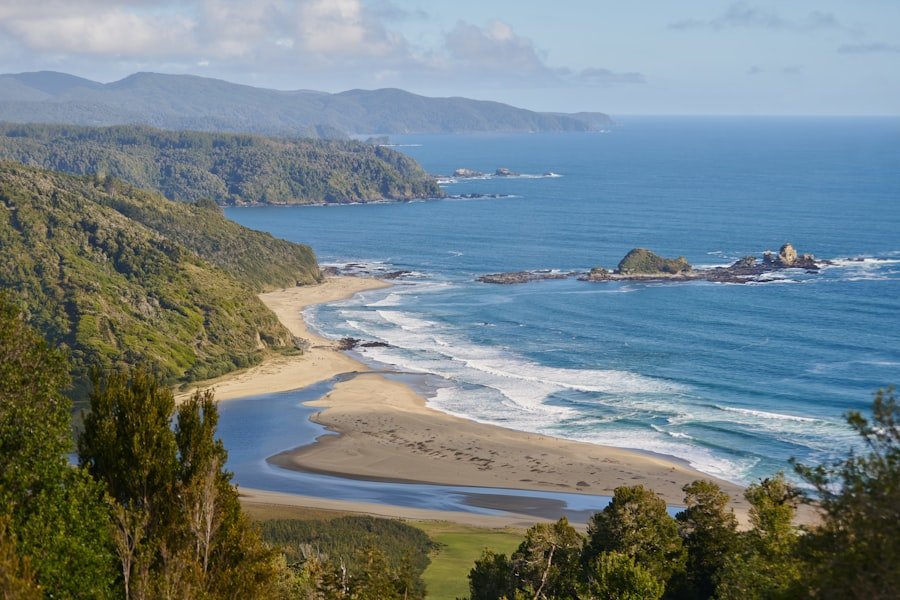
The West Coast of New Zealand is known for its rugged beauty and dramatic landscapes. A drive along State Highway 6 reveals stunning coastal views interspersed with lush rainforests and towering cliffs. One of the highlights of this region is Punakaiki, home to the famous Pancake Rocks and blowholes that create spectacular displays during high tide.
Continuing northward leads to Abel Tasman National Park, a coastal paradise renowned for its golden beaches and crystal-clear waters. The park offers a range of activities from hiking along the Abel Tasman Coast Track to kayaking in its sheltered bays.
The track is well-maintained and provides access to some of New Zealand’s most beautiful beaches, such as Bark Bay and Anchorage Bay. For those who prefer a more leisurely experience, boat tours allow visitors to explore the coastline while keeping an eye out for seals and dolphins frolicking in the water.
Day 13-14: Cultural Experience in Wellington
Wellington, New Zealand’s capital city, is a hub of culture and creativity that offers visitors a chance to delve into the country’s artistic heritage. The Te Papa Tongarewa Museum is a must-visit destination that showcases New Zealand’s history, art, and natural environment through interactive exhibits. From Māori artifacts to contemporary art installations, Te Papa provides a comprehensive overview of what makes New Zealand unique.
The city’s vibrant culinary scene is another highlight worth exploring. Wellington is known for its coffee culture; numerous cafes serve expertly brewed coffee alongside delicious pastries. The waterfront area features a variety of restaurants offering fresh seafood and local produce.
Additionally, visitors can stroll through Cuba Street, famous for its eclectic shops and street performances that reflect Wellington’s artistic spirit. Engaging with local artists or attending live performances can provide deeper insights into New Zealand’s cultural landscape.
Practical Tips for Traveling in New Zealand
Traveling in New Zealand requires some planning to ensure a smooth experience. First and foremost, understanding the geography is crucial; distances between major attractions can be significant due to the country’s mountainous terrain. Renting a car or campervan is often recommended for flexibility in exploring remote areas at one’s own pace.
However, public transportation options like buses are also available for those who prefer not to drive. When it comes to accommodation, options range from luxury hotels to budget hostels and campgrounds. Booking in advance during peak seasons (December to February) is advisable to secure desired accommodations.
Additionally, travelers should be prepared for varying weather conditions; layers are essential as temperatures can fluctuate dramatically throughout the day. For outdoor enthusiasts planning hikes or excursions in national parks, it’s important to check trail conditions beforehand and carry appropriate gear such as sturdy footwear and weatherproof clothing. Familiarizing oneself with local customs and respecting Māori culture enhances the travel experience; engaging with local communities can lead to meaningful interactions that enrich one’s understanding of New Zealand.
Conclusion and Final Thoughts
New Zealand stands as a testament to nature’s artistry and cultural richness. From the bustling streets of Auckland to the serene fjords of Milford Sound, each region offers distinct experiences that cater to diverse interests. Whether one seeks adventure or tranquility, New Zealand provides an array of opportunities that leave lasting impressions on all who visit.
As travelers navigate through this enchanting land, they will find themselves captivated by its stunning landscapes and warm hospitality. The journey through New Zealand is not just about visiting places; it’s about immersing oneself in a culture that values connection with nature and community. Each moment spent in this remarkable country contributes to an unforgettable tapestry of memories that travelers will cherish long after their departure.
For instance, you can check out this article on the most beautiful cities in the world, which could provide you with ideas on what to include in your travel plans. Whether you’re interested in stunning landscapes or vibrant city life, this resource can enhance your New Zealand adventure.
FAQs
What is the best time of year to follow a 14-day New Zealand itinerary?
The best time to visit New Zealand for a 14-day itinerary is during the summer months from December to February when the weather is warm and ideal for outdoor activities. However, spring (September to November) and autumn (March to May) also offer mild weather and fewer tourists.
How should I divide my 14 days between the North and South Islands?
A balanced 14-day itinerary typically allocates about 5-7 days on the North Island and 7-9 days on the South Island, allowing time to explore major cities, natural attractions, and outdoor activities on both islands.
What are must-see destinations in a 14-day New Zealand itinerary?
Key destinations often include Auckland, Rotorua, and Wellington on the North Island, and Queenstown, Fiordland National Park, Franz Josef Glacier, and Christchurch on the South Island.
Is it necessary to rent a car for a 14-day trip in New Zealand?
Renting a car is highly recommended for flexibility and convenience, especially for exploring remote areas and national parks. New Zealand’s roads are well-maintained and scenic, making self-driving a popular option.
Can I travel between the North and South Islands during a 14-day itinerary?
Yes, travelers can take a ferry between Wellington (North Island) and Picton (South Island). The ferry ride takes about 3-4 hours and is a scenic way to transition between islands.
What types of accommodation are available during a 14-day New Zealand trip?
Options range from budget hostels and holiday parks to mid-range hotels, lodges, and luxury resorts. Booking in advance is advisable, especially during peak tourist seasons.
Are there any health or safety tips for a 14-day itinerary in New Zealand?
Visitors should be prepared for variable weather, carry sun protection, and follow safety guidelines for outdoor activities like hiking and water sports. It’s also important to have travel insurance covering medical emergencies.
How can I experience Maori culture during a 14-day New Zealand itinerary?
Visitors can attend cultural performances, visit marae (Maori meeting grounds), and explore museums such as Te Papa in Wellington or Tamaki Maori Village in Rotorua to learn about Maori heritage.
What is the typical budget for a 14-day trip to New Zealand?
Budget varies widely depending on travel style, but a mid-range traveler might expect to spend between NZD 3,000 to NZD 5,000 per person, covering accommodation, food, transport, and activities.
Are guided tours recommended for a 14-day New Zealand itinerary?
Guided tours can enhance the experience by providing expert knowledge and access to exclusive locations, but many travelers also enjoy self-guided exploration due to New Zealand’s excellent infrastructure and signage.