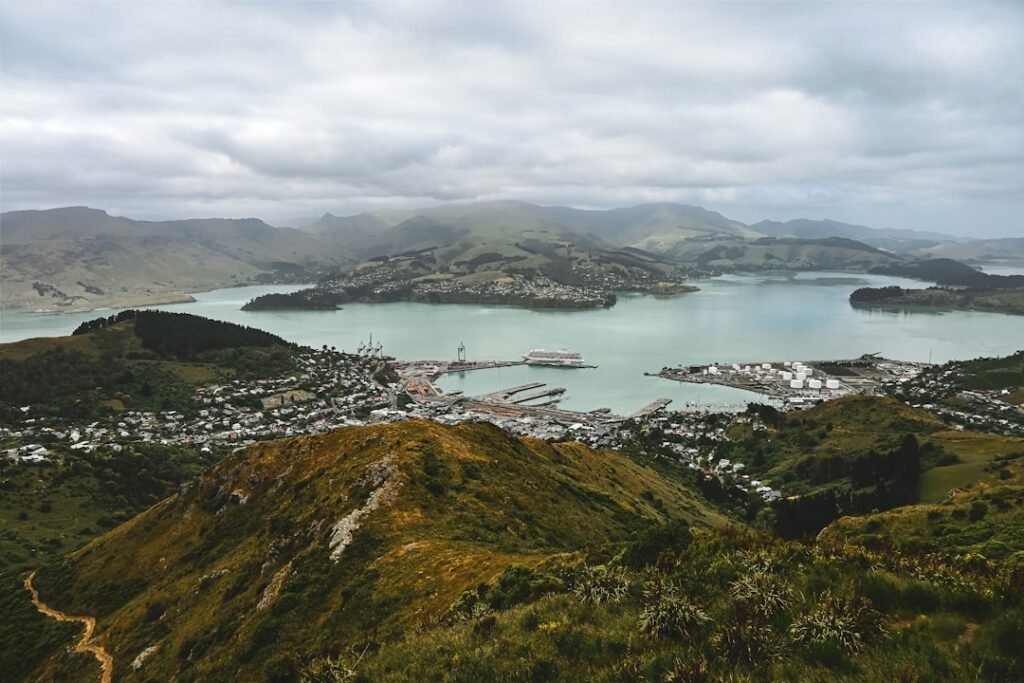

Embarking on a solo trip to New Zealand is an exhilarating endeavor that requires careful planning and consideration. The first step in this journey is to determine the duration of your stay and the specific regions you wish to explore. New Zealand is divided into two main islands, the North Island and the South Island, each offering unique landscapes, cultures, and experiences.
For instance, if you are drawn to vibrant cities and geothermal wonders, the North Island, with its bustling capital Wellington and the iconic Rotorua, may be your starting point. Conversely, if breathtaking fjords and rugged mountains captivate your imagination, the South Island, home to Queenstown and Fiordland National Park, should be on your itinerary. Once you have a rough outline of your destinations, it’s essential to research the best times to visit.
New Zealand experiences distinct seasons, with summer (December to February) being ideal for outdoor activities, while winter (June to August) attracts those interested in skiing and snowboarding. Additionally, consider the local events and festivals that might enrich your experience. For example, the World of WearableArt Awards Show in Wellington is a spectacular event that showcases creativity and innovation in fashion design.
By aligning your travel dates with such events, you can immerse yourself in the local culture while enjoying your solo adventure.
Key Takeaways
- Plan your solo trip carefully, focusing on destinations and activities that match your adventure interests.
- Prioritize safety by staying aware of your surroundings and following local advice when traveling alone.
- Immerse yourself in New Zealand’s culture by respecting customs and engaging with locals.
- Take advantage of thrilling outdoor activities like hiking, bungee jumping, and water sports.
- Build connections with fellow travelers and locals to enrich your solo travel experience.
Must-See Destinations for Adventure Seekers
For adventure seekers, New Zealand is a veritable playground filled with thrilling destinations that cater to adrenaline junkies.
Nestled on the shores of Lake Wakatipu and surrounded by the Southern Alps, Queenstown offers a plethora of activities ranging from bungee jumping off the historic Kawarau Bridge to skydiving over stunning landscapes.
The Remarkables mountain range provides excellent skiing opportunities in winter, while hiking trails like the Ben Lomond Track offer breathtaking views during the warmer months. Another must-visit destination is Rotorua, renowned for its geothermal activity and rich Maori culture. Here, you can experience white-water rafting on the Kaituna River, which boasts some of the highest commercially rafted waterfalls in the world.
After an exhilarating day on the water, unwind in one of Rotorua’s natural hot springs or indulge in a traditional hangi feast, where food is cooked underground using geothermal heat. The combination of adventure and cultural immersion makes Rotorua a unique stop on any solo traveler’s itinerary.
Safety Tips for Traveling Alone in New Zealand
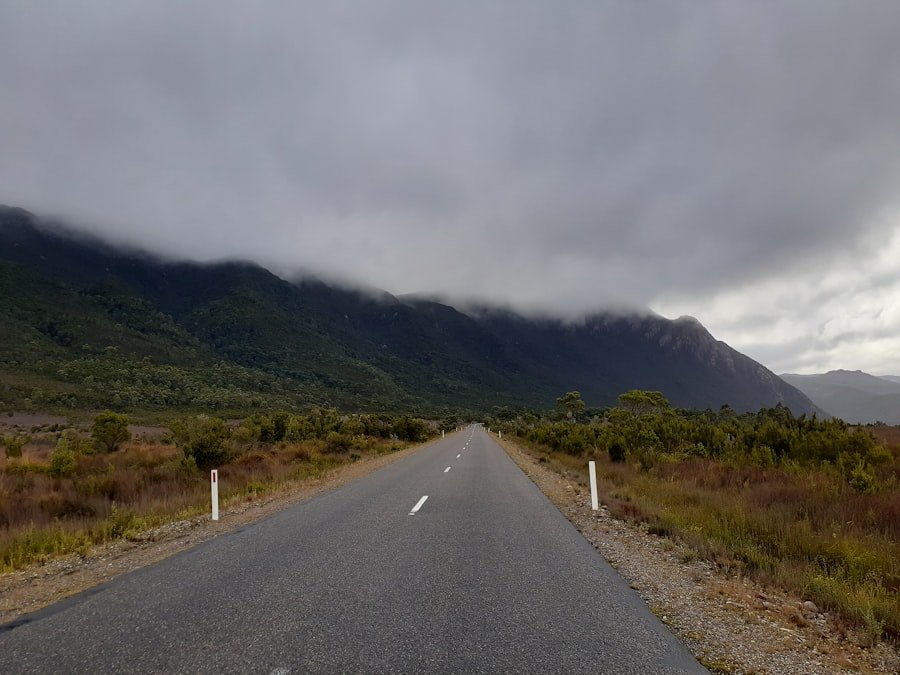
Traveling alone can be both liberating and daunting, but New Zealand is generally considered a safe destination for solo travelers. However, it’s crucial to remain vigilant and take certain precautions to ensure a smooth journey. One of the primary safety tips is to stay aware of your surroundings at all times.
While New Zealand has a low crime rate, petty theft can occur in tourist-heavy areas. Keep your belongings secure and avoid displaying valuables openly. Utilizing a money belt or a secure backpack can help safeguard your essentials while you explore.
Additionally, familiarize yourself with local emergency numbers and services before embarking on your trip. In New Zealand, the emergency number is 111 for police, fire, and ambulance services. It’s also wise to share your travel itinerary with someone back home or a trusted friend you meet along the way.
This way, someone will know your whereabouts in case of an emergency. When venturing into remote areas or engaging in outdoor activities, inform others of your plans and expected return times. This simple step can be crucial if you encounter unexpected challenges during your adventures.
Embracing the Local Culture and Customs
| Aspect | Metric | Description | Example |
|---|---|---|---|
| Language Proficiency | Percentage of Locals Speaking Visitor’s Language | Measures ease of communication and cultural integration | 45% of locals speak English in tourist areas |
| Participation in Local Festivals | Number of Visitors Attending Cultural Events | Indicates engagement with local traditions | Over 10,000 visitors attended the annual Lantern Festival |
| Respect for Dress Codes | Compliance Rate Among Tourists | Shows awareness and respect for local customs | 85% of tourists adhered to temple dress codes |
| Use of Local Cuisine | Percentage of Meals Consumed Locally | Reflects willingness to embrace local food culture | 70% of meals by tourists were local dishes |
| Engagement with Local Artisans | Number of Purchases or Workshops Attended | Measures support for local crafts and traditions | 500 tourists participated in pottery workshops |
| Understanding Local Etiquette | Surveyed Awareness Level (%) | Assesses knowledge of social norms and behaviors | 65% of visitors understood basic greeting customs |
New Zealand’s rich cultural tapestry is woven from its indigenous Maori heritage and influences from European settlers. As a solo traveler, taking the time to embrace local customs can enhance your experience significantly. Start by learning a few basic phrases in Te Reo Maori, such as “kia ora” (hello) or “mauri ora” (life force).
Engaging with locals in their native language can foster connections and show respect for their culture. Participating in cultural experiences is another excellent way to immerse yourself in New Zealand’s traditions. Consider attending a Maori cultural performance where you can witness traditional songs, dances, and storytelling that reflect their history and beliefs.
Many cultural centers offer workshops where you can learn about carving or weaving techniques that have been passed down through generations. These hands-on experiences not only provide insight into Maori culture but also create lasting memories that enrich your solo journey.
Thrilling Outdoor Activities to Experience in New Zealand
New Zealand’s diverse landscapes offer an array of outdoor activities that cater to thrill-seekers and nature lovers alike. One of the most exhilarating experiences is hiking the Tongariro Alpine Crossing on the North Island. This challenging trek takes you through volcanic terrain, past emerald lakes, and offers stunning views of Mount Ngauruhoe, famously known as Mount Doom from “The Lord of the Rings.” The hike typically takes around seven to eight hours to complete, making it essential to start early and be prepared with adequate supplies.
On the South Island, consider embarking on a glacier hike on Franz Josef Glacier or Fox Glacier. These breathtaking ice formations provide an opportunity to explore crevasses and ice caves while learning about glaciology from experienced guides. For those seeking an adrenaline rush without extensive hiking, jet boating on the Shotover River near Queenstown offers an exhilarating ride through narrow canyons at high speeds.
The combination of stunning scenery and heart-pounding excitement makes these outdoor activities unforgettable highlights of any solo trip.
Making New Friends and Connections as a Solo Traveler
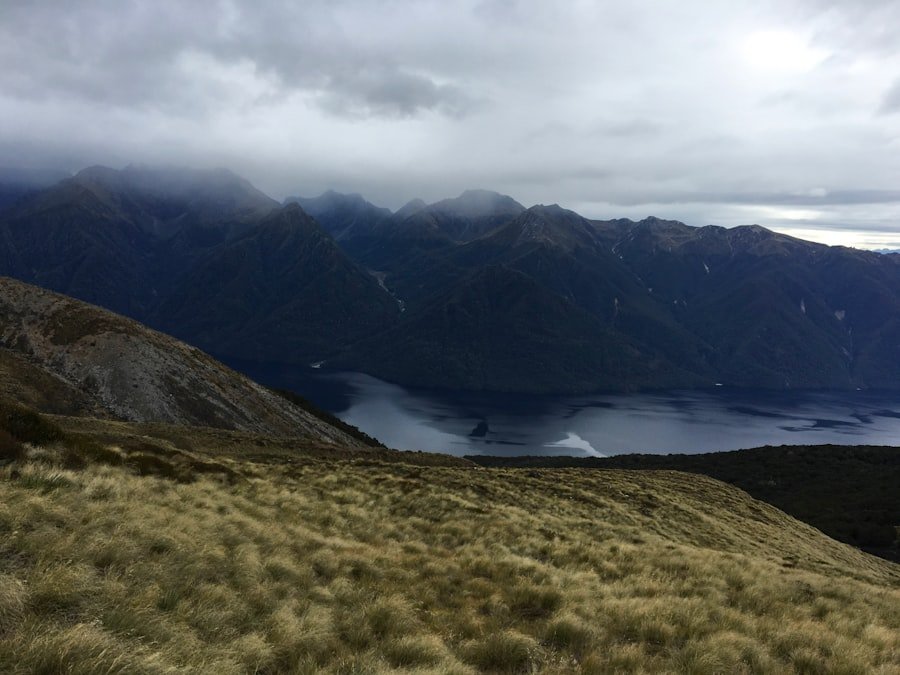
Traveling alone does not mean you have to be lonely; in fact, it can be an excellent opportunity to meet new people and forge connections.
Many hostels organize group activities such as pub crawls or guided tours that facilitate interaction among guests.
Additionally, consider joining local tours or adventure groups that cater to solo travelers. Whether it’s a guided hike through national parks or a wine-tasting tour in Marlborough, these experiences often attract like-minded individuals who share similar interests. Engaging with others during these activities can lead to lasting friendships or even travel companions for part of your journey.
Social media platforms and travel apps also offer opportunities to connect with other travelers before or during your trip, allowing you to share tips or meet up for excursions.
Navigating Transportation and Accommodation Options
New Zealand’s transportation system is well-developed, making it relatively easy for solo travelers to navigate between destinations. Renting a car provides flexibility and allows you to explore off-the-beaten-path locations at your own pace. However, if you prefer not to drive, consider using public transportation options such as buses or trains.
Companies like InterCity offer extensive bus routes connecting major cities and tourist attractions across both islands. When it comes to accommodation, New Zealand offers a wide range of options catering to various budgets and preferences. From luxury hotels to budget-friendly hostels and charming bed-and-breakfasts, there’s something for everyone.
For those seeking a unique experience, consider staying at a holiday park where you can camp or rent a cabin amidst stunning natural surroundings. This not only provides an opportunity to connect with nature but also allows for social interactions with fellow travelers who share similar interests.
Reflecting on Your Solo Adventure: Lessons Learned and Memories Made
As your solo adventure in New Zealand comes to an end, take time to reflect on the experiences you’ve had and the lessons you’ve learned along the way. Traveling alone often fosters personal growth; it challenges you to step outside your comfort zone and develop independence. You may find that navigating unfamiliar places enhances your problem-solving skills while meeting new people broadens your perspective on life.
Documenting your journey through journaling or photography can help preserve memories that will last a lifetime. Consider creating a scrapbook or digital album that captures not only the stunning landscapes but also the connections you’ve made with locals and fellow travelers. These tangible reminders will serve as cherished keepsakes that encapsulate your adventure in New Zealand—a journey filled with exploration, self-discovery, and unforgettable moments that will resonate long after you’ve returned home.
If you’re considering a solo trip to New Zealand, you might also be interested in exploring some of the most beautiful cities around the world. Each destination offers unique experiences and breathtaking sights that can enhance your travel adventures. For inspiration, check out this article on the most beautiful cities in the world, which could help you plan your next journey.
FAQs
Is New Zealand safe for solo travelers?
Yes, New Zealand is considered one of the safest countries for solo travelers. It has low crime rates, friendly locals, and well-maintained infrastructure, making it an ideal destination for those traveling alone.
What is the best time of year to take a solo trip to New Zealand?
The best time to visit New Zealand depends on your interests. Summer (December to February) offers warm weather and outdoor activities, while winter (June to August) is great for skiing and snowboarding. Spring and autumn provide mild weather and fewer tourists.
Do I need a visa to travel to New Zealand solo?
Visa requirements depend on your nationality. Many countries’ citizens can enter New Zealand visa-free for short stays, but others need to apply for a visa or a New Zealand Electronic Travel Authority (NZeTA) before arrival. Check the official New Zealand immigration website for specific requirements.
What are some popular activities for solo travelers in New Zealand?
Popular activities include hiking (tramping), visiting national parks, exploring cities like Auckland and Wellington, adventure sports such as bungee jumping and skydiving, and experiencing Maori culture. New Zealand also offers excellent opportunities for wildlife viewing and scenic road trips.
How can solo travelers get around New Zealand?
Solo travelers can use rental cars, campervans, buses, and domestic flights to get around. New Zealand has a well-connected public transport system in urban areas, and many travelers opt for self-driving to explore remote locations at their own pace.
Is it easy to meet other travelers when solo traveling in New Zealand?
Yes, New Zealand is a popular destination for backpackers and solo travelers, so there are many hostels, tours, and social events where you can meet others. Joining group activities or staying in shared accommodations can help you connect with fellow travelers.
What should solo travelers pack for a trip to New Zealand?
Pack layers to accommodate changing weather, comfortable walking shoes, rain gear, a hat and sunscreen, a reusable water bottle, and any personal essentials. If you plan outdoor activities, bring appropriate gear such as hiking boots or swimwear.
Are there any health precautions solo travelers should take in New Zealand?
New Zealand has high-quality healthcare, but it is advisable to have travel insurance. No special vaccinations are required for most travelers, but check with your healthcare provider before your trip. Always follow safety guidelines for outdoor activities.
Can solo travelers use mobile phones and internet easily in New Zealand?
Yes, New Zealand has good mobile coverage and internet access in most urban and tourist areas. Purchasing a local SIM card or using international roaming plans can help you stay connected during your trip.
What currency is used in New Zealand, and are credit cards widely accepted?
The currency is the New Zealand Dollar (NZD). Credit and debit cards are widely accepted throughout the country, including in most shops, restaurants, and accommodations. It is still advisable to carry some cash for small purchases or remote areas.